
Pain Management Procedures
Achilles Region Injection
Achilles Region Injection
What does “Achilles injection” mean?
The Achilles tendon connects the calf muscles to the heel. Several structures can cause pain in this region, including the tendon itself, the tissue around it, and the retrocalcaneal bursa between the tendon and heel bone. The exact target and medication must be specified; an injection around a bursa is not the same as an injection into a weight-bearing tendon.
When may it be recommended?
Most Achilles tendinopathy is treated first with activity modification and a progressive loading or physical-therapy program. Image-guided injection may be considered for a confirmed nearby bursa or another selected diagnosis that has not improved. PRP and other nonsteroid injections have been studied, but evidence is mixed.
What happens?
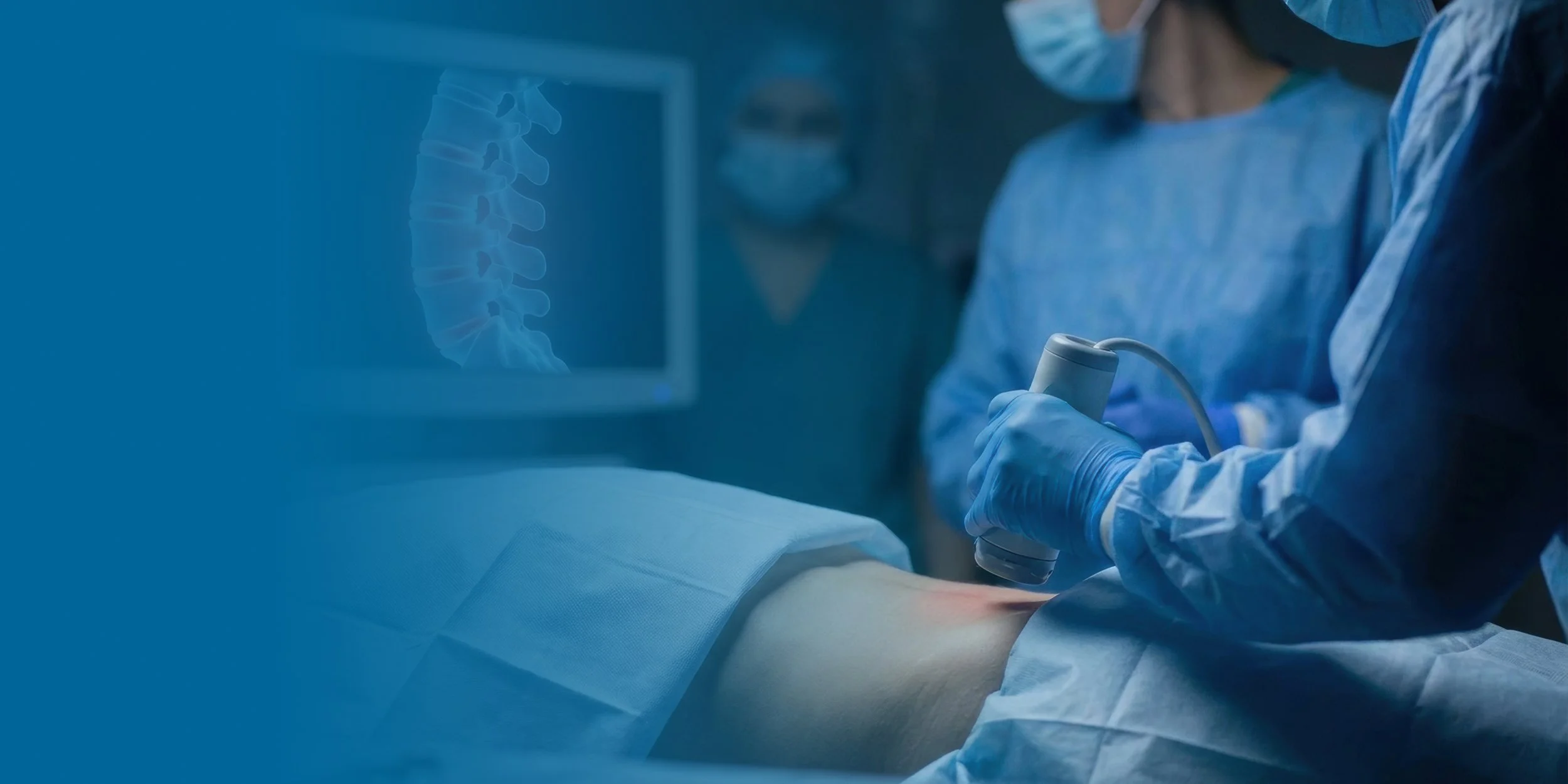
Ultrasound identifies the tendon, tear or diseased portion, bursa, and nearby blood vessels. The needle is guided to the intended tissue while avoiding injection directly into tendon fibers. Technique, medication, and aftercare vary substantially by diagnosis.
What should I expect?
Temporary soreness is common. Weight-bearing, exercise, and return to running may be restricted. Rehabilitation is usually essential because an injection alone does not restore tendon strength.
Important safety warning
Corticosteroid in or around the Achilles region has been associated with tendon weakening and rupture, and direct intratendinous steroid injection is generally avoided. APG should identify the exact Achilles procedure offered before publishing this page. Risks also include bleeding, infection, medication reaction, nerve injury, and worsening pain. A sudden pop, new weakness pushing off the foot, or a new gap in the tendon requires urgent evaluation.
Preparing for your injection procedure…
Your instructions will depend on the procedure. Before any injection, tell the APG team if you:
Take aspirin, warfarin, clopidogrel, apixaban, rivaroxaban, or another medicine or supplement that affects bleeding. Never stop a prescribed blood thinner unless the clinician who manages it and the procedure team tell you how to do so safely.
Have diabetes, glaucoma, a bleeding disorder, an active infection, fever, or recent antibiotic treatment.
Could be pregnant, have an allergy to contrast dye or local anesthetic, or have reacted to steroid injections before.
Use an implanted pacemaker, defibrillator, spinal cord stimulator, or other electrical device.
Some procedures require fasting, a medication adjustment, or a responsible adult to drive you home, especially when sedation is planned. Follow the instructions provided for your specific appointment.
After your injection procedure…
Most injections are outpatient procedures. Mild soreness, bruising, temporary numbness, or a brief increase in the usual pain can occur. Follow the activity and bandage instructions you receive. Steroid medicine may take several days to have an effect and can temporarily raise blood sugar.
Call the office promptly for increasing redness, drainage, fever, severe or rapidly worsening pain, or new numbness or weakness. Seek emergency care for trouble breathing, chest pain, sudden loss of bladder or bowel control, a severe new headache, loss of vision, stroke-like symptoms, or rapidly progressing weakness.
This information is for general education and does not replace medical advice, diagnosis, or treatment. Not every procedure is appropriate for every patient, and results vary. Your APG care team will review your symptoms, examination, imaging, medical history, medications, and prior treatment before recommending a plan. Coverage requirements also vary by insurance plan.